














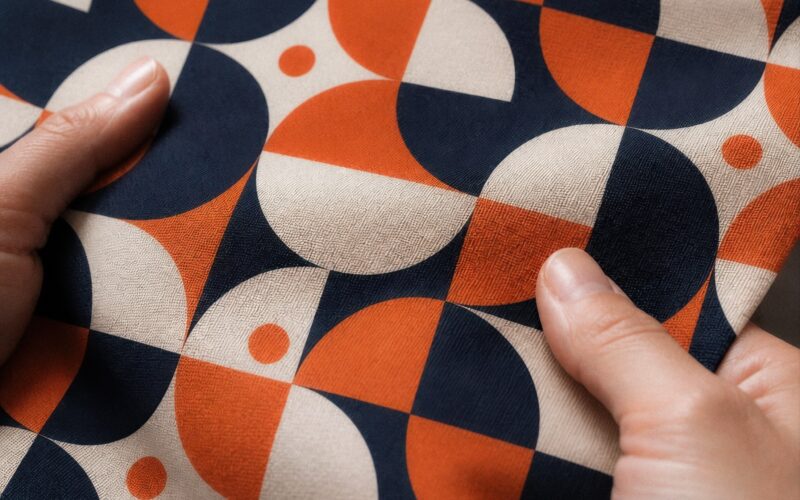
How Colour Works on Cotton: RGB, CMYK and the Reactive Gamut
Screens make colour from light; cotton makes it from dye bonded inside the fibre. Why RGB, CMYK and the reactive gamut differ, and how to design for cloth.
Read more →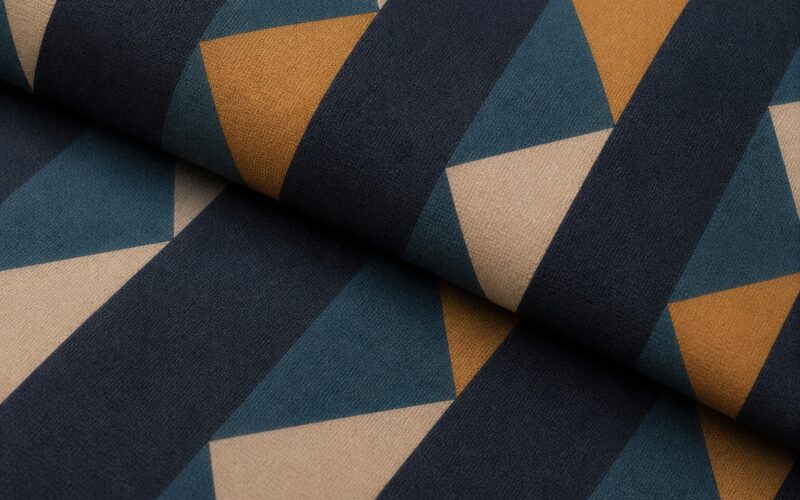
Why Reactive Prints Don’t Crack or Fade: Wash-Fast Printing Explained
Reactive prints don't crack or fade because the colour is bonded inside the fibre, not laid on top of it. What that means over 600+ wash cycles.
Read more →
Reactive vs Pigment Printing: Which Is Right for Your Product?
Choosing between reactive vs pigment printing comes down to one question: does the colour need to live inside the fabric, or is it acceptable sitting on…
Read more →
How Reactive Printing Works: The Chemistry in Plain English
Here is how reactive printing works, in one paragraph: the dye is applied to cotton or linen, then fixed with heat and steam, which triggers a…
Read more →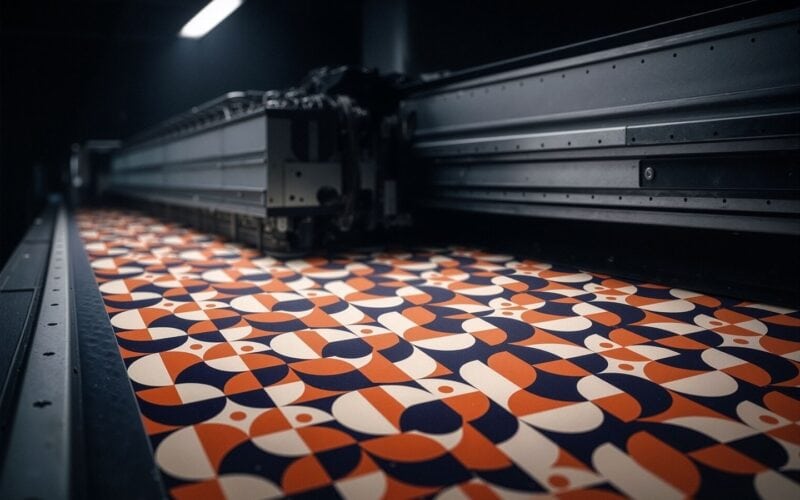
Reactive Printing vs DTF vs Sublimation: Which Lasts Longest on Cotton?
A fair, technical comparison of reactive print, DTF, sublimation and pigment on cotton — how each one bonds, how long it holds up, and when to use each.
Read more →Start with the reactive print guide.
The full mental model in fifteen minutes — the chemistry in plain language, and how to design artwork that takes advantage of it.