















Notes from the production line.
Field notes, technical explainers and product news — the thinking behind how we print, pack and ship. Written for brand teams and designers, in plain language, with no jargon you don’t need.
From the factory floor.
Most-recent first. Every post is a real article — open one to read it in full.
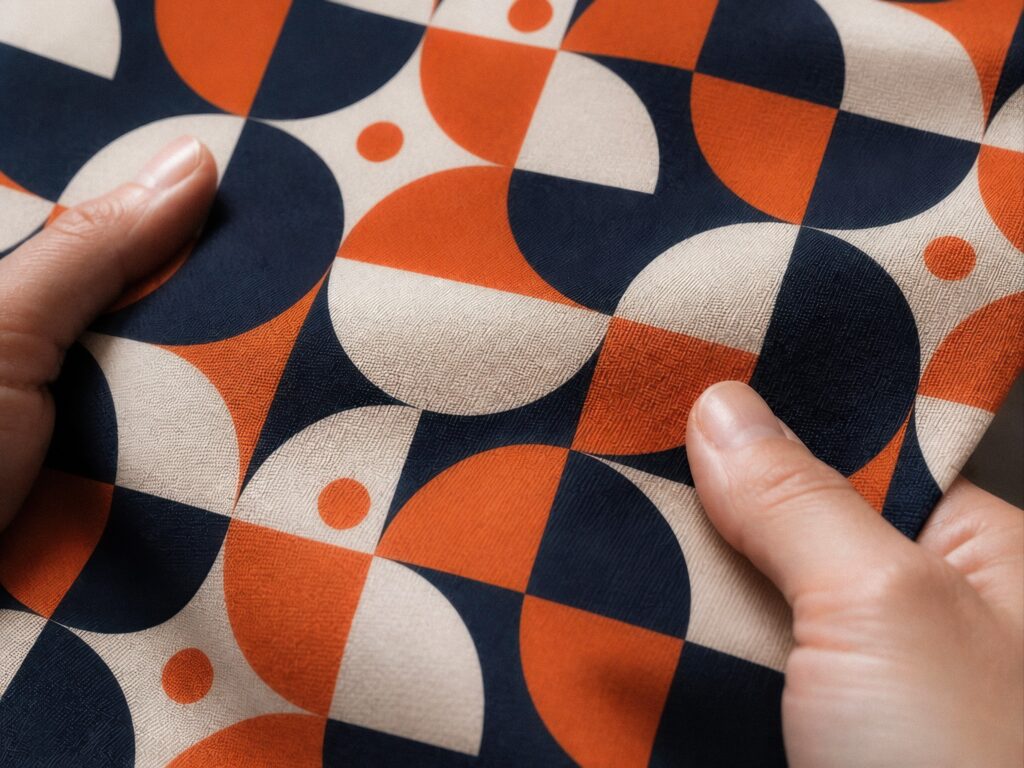
How Colour Works on Cotton: RGB, CMYK and the Reactive Gamut
Screens make colour from light; cotton makes it from dye bonded inside the fibre. Why RGB, CMYK and the reactive gamut differ, and how to design for cloth.
Read the article →
Placed Print vs All-Over Print: When to Use Each
A placed print sits in one area of a finished garment. An all-over print covers the whole panel before cut-and-sew. How to choose between them.
Read more →
Why Reactive Prints Don’t Crack or Fade: Wash-Fast Printing Explained
Reactive prints don't crack or fade because the colour is bonded inside the fibre, not laid on top of it. What that means over 600+ wash…
Read more →
DPI, Colour and File Formats for Textile Printing: What Matters
PDF, TIFF, JPG or PNG all work — what decides print quality is resolution at finished size. The DPI rule, format table and a 60-second pre-flight…
Read more →
How to Prepare Artwork for All-Over Print (Designer Checklist)
Design at panel level, keep 200–300 DPI, extend past every cut line and mind the seams: a practical checklist for preparing all-over print artwork.
Read more →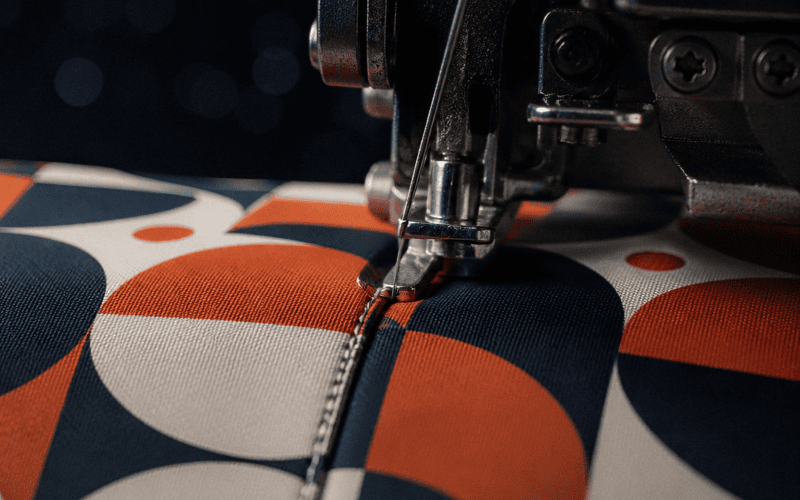
The Best Fabric for All-Over Print: A Base-by-Base Guide
Jersey for tees, French Terry for hoodies, percale and sateen for bedding: how each cotton base takes reactive colour, and how to choose yours.
Read more →
Reactive vs Pigment Printing: Which Is Right for Your Product?
Choosing between reactive vs pigment printing comes down to one question: does the colour need to live inside the fabric, or is it acceptable sitting on…
Read more →
How Reactive Printing Works: The Chemistry in Plain English
Here is how reactive printing works, in one paragraph: the dye is applied to cotton or linen, then fixed with heat and steam, which triggers a…
Read more →
Made in the EU: What the New €3 Import Duty Means for Your Orders
The EU has scrapped the duty-free exemption on parcels from outside the EU. Here's what the new €3-per-item charge means, and why EU production avoids it.
Read more →
Build on Fabrixa: The Reactive-Print API for POD Platforms
The Fabrixa Integration API lets POD platforms and developers connect a storefront, send orders and receive webhooks — then we print, pack and ship white-label from…
Read more →Browse by what you’re researching.
Every post is filed by topic. Pick one to see everything we’ve written on it.
Print chemistry, fabric bases, fixation and durability — the textile-engineering side.
Read the posts →European textile manufacturing, supply-chain shifts and where the market is heading.
Read the posts →Product releases, platform news and what’s new at Fabrixa.
Read the posts →Water, energy, carbon and certifications — the honest picture.
Read the posts →Drops, white-label dispatch, positioning and building a label on demand.
Read the posts →Integration, order flow, lead times and how on-demand production actually works.
Read the posts →
The mental model, before the articles.
If you read one thing before you brief a print run, make it the reactive print guide — the chemistry in plain language, and how to design artwork that takes advantage of it.