















Notes from the production line.
Field notes, technical explainers and product news — the thinking behind how we print, pack and ship. Written for brand teams and designers, in plain language, with no jargon you don’t need.
From the factory floor.
Most-recent first. Every post is a real article — open one to read it in full.
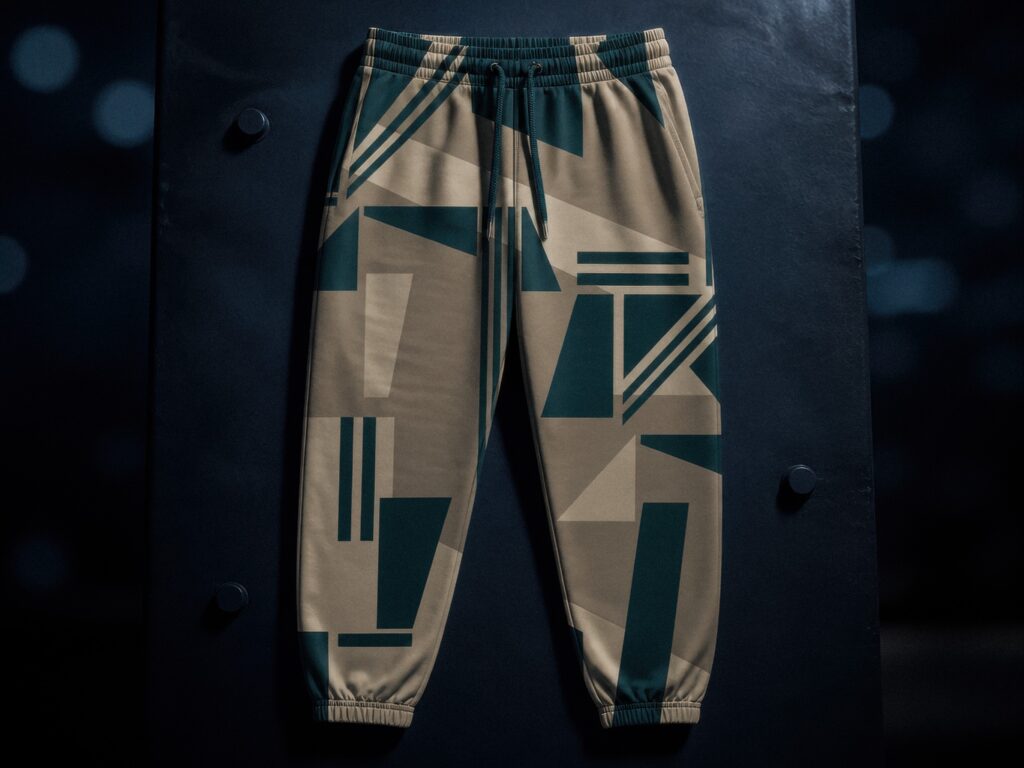
How to Start a Print-on-Demand Brand in Europe (Step by Step)
The six steps to start a print-on-demand brand in Europe — niche, production partner, store connection, artwork, pricing and launch — with no stock and no minimum order.
Read the article →
Fabric Panel Repeat: How Your Design Repeats Down the Roll
On fabric by the metre the repeat unit is one panel — full fabric width by 1 metre. What that means for your artwork, and the…
Read more →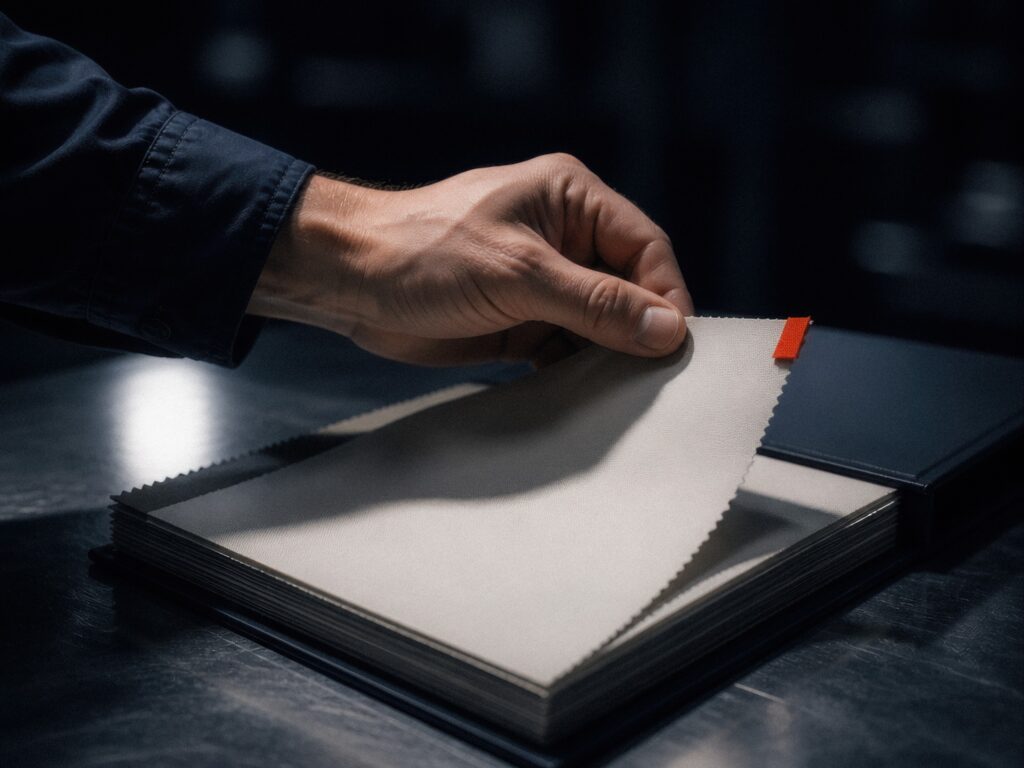
Reactive Printing FAQ: 20 Questions Brands Ask
Twenty straight answers to the questions brands ask most about reactive printing — what it is, which fabrics take it, what to send us and how…
Read more →
7 Common Textile Print Mistakes (and How to Avoid Them)
Seven textile printing mistakes that cause reprints — resolution, colour expectations, print method, base choice, seams, repeats and skipping the sample — and how to avoid…
Read more →
Cotton vs Linen for Reactive Printing: How Each Takes Colour
Cotton and linen both take reactive dye into the fibre, but cotton renders crisp and saturated while linen reads softer and textured. Which base suits your…
Read more →
How to Design Seamless Repeat Patterns for Fabric
A seamless repeat is a tile whose edges continue into each other perfectly. How to choose a repeat type, build the tile, and test it before…
Read more →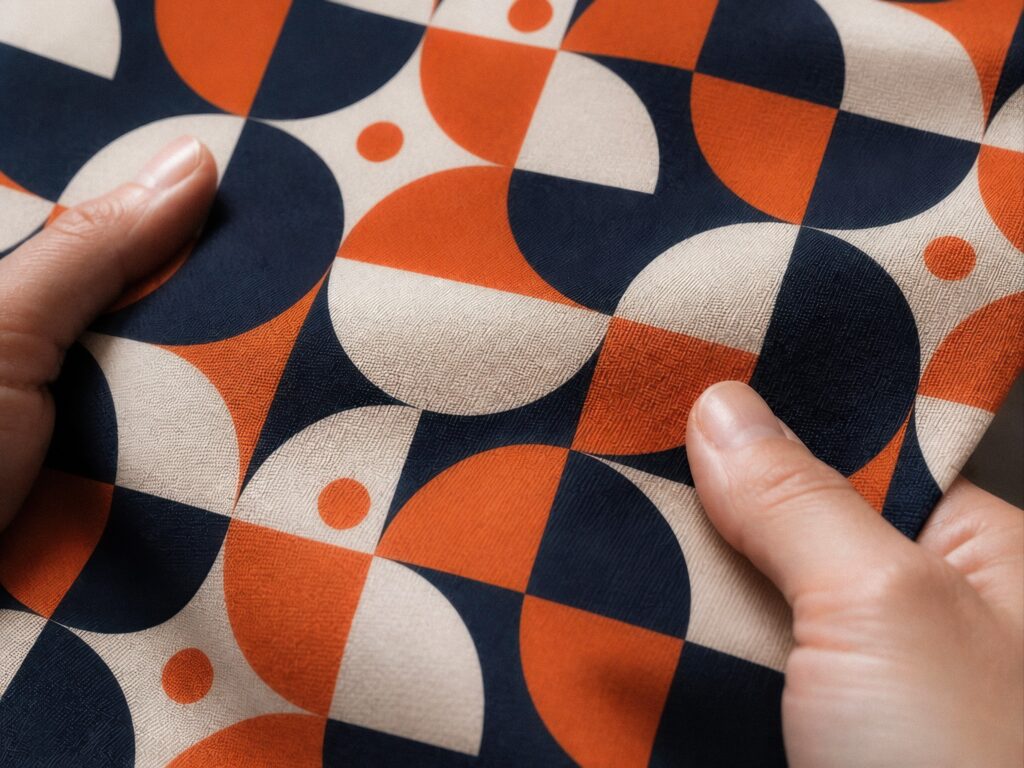
How Colour Works on Cotton: RGB, CMYK and the Reactive Gamut
Screens make colour from light; cotton makes it from dye bonded inside the fibre. Why RGB, CMYK and the reactive gamut differ, and how to design…
Read more →
Placed Print vs All-Over Print: When to Use Each
A placed print sits in one area of a finished garment. An all-over print covers the whole panel before cut-and-sew. How to choose between them.
Read more →
Why Reactive Prints Don’t Crack or Fade: Wash-Fast Printing Explained
Reactive prints don't crack or fade because the colour is bonded inside the fibre, not laid on top of it. What that means over 600+ wash…
Read more →
DPI, Colour and File Formats for Textile Printing: What Matters
PDF, TIFF, JPG or PNG all work — what decides print quality is resolution at finished size. The DPI rule, format table and a 60-second pre-flight…
Read more →Browse by what you’re researching.
Every post is filed by topic. Pick one to see everything we’ve written on it.
Print chemistry, fabric bases, fixation and durability — the textile-engineering side.
Read the posts →European textile manufacturing, supply-chain shifts and where the market is heading.
Read the posts →Integration, order flow, lead times and how on-demand production actually works.
Read the posts →Product releases, platform news and what’s new at Fabrixa.
Read the posts →Water, energy, carbon and certifications — the honest picture.
Read the posts →Drops, white-label dispatch, positioning and building a label on demand.
Read the posts →
The mental model, before the articles.
If you read one thing before you brief a print run, make it the reactive print guide — the chemistry in plain language, and how to design artwork that takes advantage of it.